Editor's Note
A Background Is Not a Layer167
Photograph
Harry Gruyaert
Written by
Marco Savarese, Editor-in-Chief

Portfolios arrive with the photographer claiming to work in layers. You open the files and behind the in-focus subject you find three blurred planes that no one can read, and you realize at once that those are not layers but decorative background placed behind someone to give depth to a scene that didn’t have any.
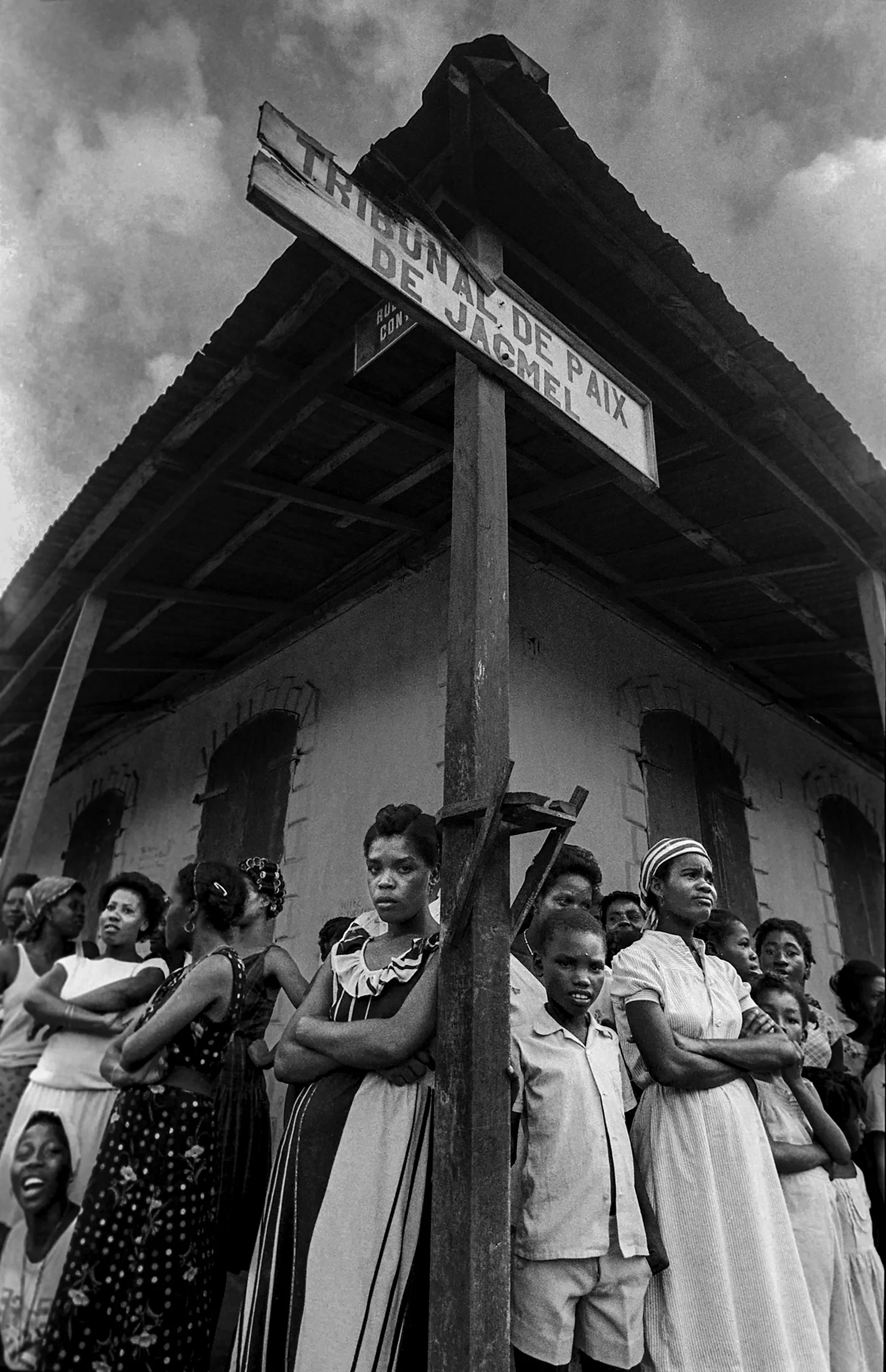
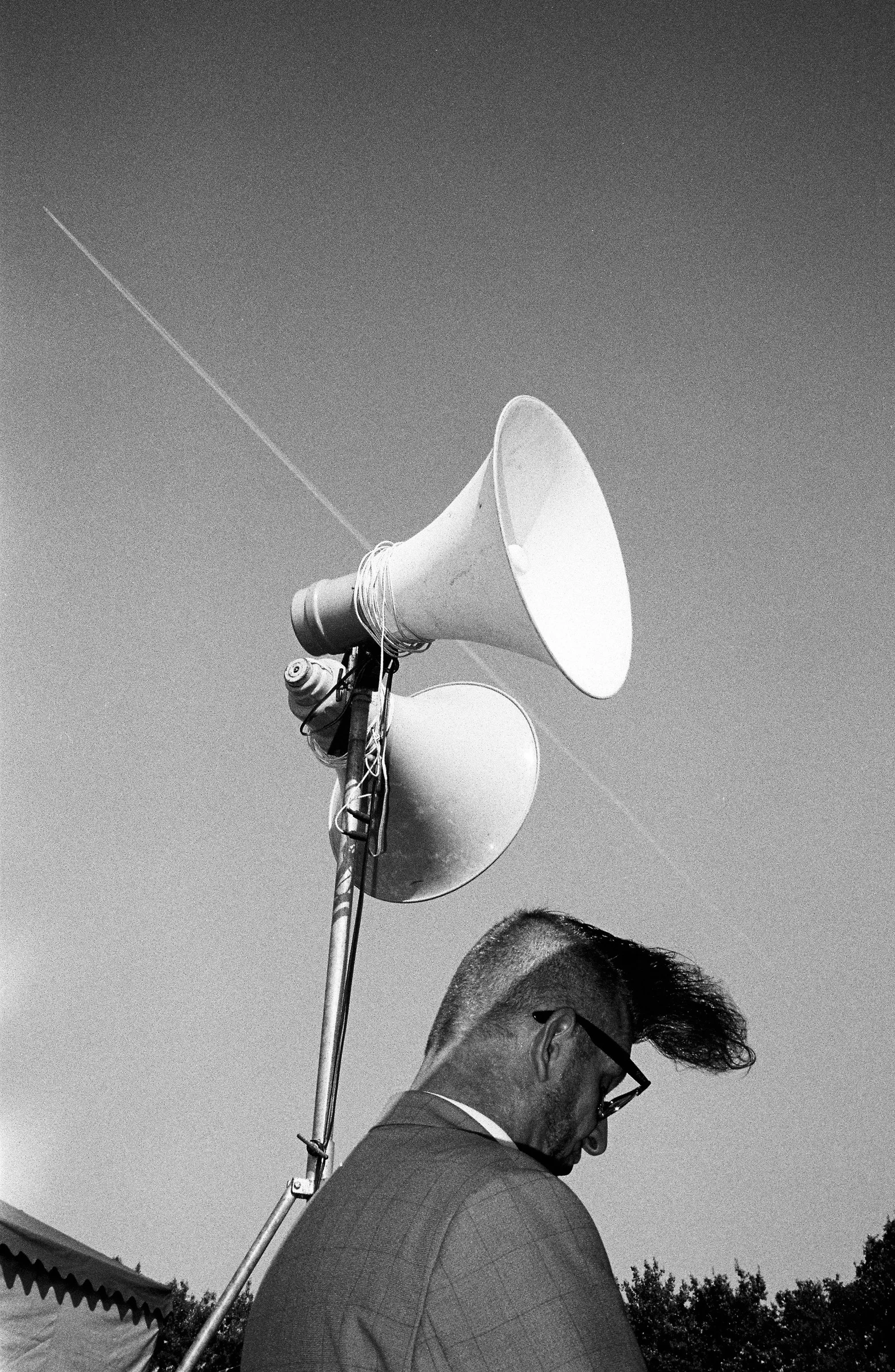
A layer demands that every plane carry the weight of the reading. If the foreground works, the second plane is a shadow with no name, the third a stain of color with no shape, you have a single image read once. Real layers force the eye to enter, leave, return, and they change the speed at which you look at an image until you stop consuming it in one pass.
Harry Gruyaert, Belgian, joined Magnum in 1982 as one of the first Europeans to work in color inside the agency. He shoots with a Leica M and short focal lengths, in Belgium and Morocco. Open one of his books and you will see that color works as a structural element, that the orange of a sign in Brussels holds together verticals, stripes, repeated geometries, while the architecture organizes the planes behind it.
You see another thing too, the layer is built with the position of the body, and the aperture follows. Depth of field only keeps in focus what the photographer has already aligned in the scene by moving. Shift your feet half a meter and the layering collapses.
The aperture still has to stay closed. When you shoot at f/8 or f/11, every plane has the same right to focus, and therefore every plane carries the same weight of responsibility in front of whoever looks. It is up to you to decide whether that weight is really held, or whether you have staged something that resembles you but does not hold.
Try this in front of your layered images. Look at them once, look away for ten seconds, look again. If on the second pass you find a detail you did not see the first time, the planes were working. If the second reading matches the first, there was only one plane and everything else was background.