

Andrea FucàDown World
Country
Italy
Award
Honorable mention, chosen by Tavepong Pratoomwong
Edition
Open Call 2026
“Down World” is a project that began in February 2022 with the aim of exploring and documenting the intimate lives of people with Down syndrome, also known as trisomy 21. Although many people understand that individuals with this condition can lead fulfilling lives, work, and form relationships, few are aware of the daily effort, family sacrifices, and educational and relational pathways required to achieve these goals. Experiences of Down syndrome vary greatly from country to country, yet they are all connected by a strong sense of belonging to a community and by an identity that seeks to play an active role in society.
The project has developed across Italy, Cuba, Morocco, Madagascar, and Japan, with the aim of closely examining not only the differences between support systems, but also the personal, intimate, and often invisible stories of people with trisomy 21.
In Italy, people with Down syndrome are often deeply aware of their condition. This awareness can foster an intense and authentic emotional sensitivity in their relationships with the outside world. Family associations play a crucial role in this process, working locally to promote activities aimed at social integration, the development of psychomotor skills, and the achievement of independence. My work began here, through collaborations with several associations that believed in the project. During the first few months, I actively took part in the groups’ activities without a camera, in order to observe and gain a deeper understanding of who these people were, how they lived, and what they experienced.
In May 2022, I began documenting the story of Stefano and Marta, a couple who had been together for seven years and had been living independently for three. Through their story, I explored the concept of independence, following them in their everyday lives, during activities with friends, and in more intimate moments, such as Marta’s thirtieth birthday. I later turned my attention to people living in shared communities, often as a result of their parents’ advancing age. In particular, I documented the story of Mara, 48, who lives in an apartment with Anna and Caterina, two other women with cognitive disabilities.
In July 2023, I travelled to Santiago de Cuba, driven by a desire to understand the reality of people with Down syndrome in a context profoundly different from the Italian one. In Cuba, the state provides special schools organized according to different disabilities, but after the age of 18 there are no support programmes. Responsibility falls entirely on families, who rarely receive adequate assistance. The absence of family associations further increases isolation. There I met Rudi, a 52-year-old woman living in extreme poverty with her sister; Enrique, 41, who has severe communication difficulties; Jenny, 22, lovingly cared for by her mother and grandmother; and Maria, 19, a young dancer who lives with her mother on the outskirts of Santiago. Each of them offered a glimpse into Cuban reality, marked by structural shortcomings but also by strong bonds of affection and small acts of everyday resilience.
In Morocco, Down syndrome has long been stigmatized. However, recent policies promoted by the King aim to encourage the educational and professional inclusion of people with trisomy 21. Despite these efforts, most children attend centres run by associations, which provide essential services such as speech therapy and psychological support. Integration into mainstream schools remains limited, as does access to stable employment. Families continue to play a central role in their children’s development, often without adequate resources or support.
In Madagascar, the situation is even more complex. There is no form of governmental support, and children with trisomy 21 generally do not attend school. Families, often living in conditions of extreme poverty, are their only point of reference. Linguistic and cultural barriers further aggravate social exclusion, making independence an almost unattainable goal.
In Japan, although cultural and legal progress has increased opportunities for people with Down syndrome, difficulties in accessing education and employment persist. Many still live with their families rather than in specialized facilities, receiving some form of government assistance. Prenatal diagnosis remains a sensitive issue: the Japanese government has chosen not to actively promote it in order to avoid forms of discrimination.
“Down World” aims to highlight how, in different parts of the world, people with trisomy 21 face unique challenges while nevertheless managing to build resilient communities, grow, and become integrated into society. The project seeks to offer a deeper and more human understanding of who people with this condition are today.


Series finalists
Open Call 2026 Tanzir AhmedBangladesh
 Jubair Ahmed ArnobBangladesh
 Masoumeh BahramigorjiFrance
 Susanne BartelsGermany
 Mara De SarioBelgium
 James Whitlow DelanoJapan
 Marina DoctorovaRussia
 Noemi EhratSwitzerland
 Andrei FurneaRomania
 Mahmoud Abu HamdaPalestine
 Hazel HankinUnited States
 Murat HarmanlikliTürkiye
 Dave JordanoUnited States
 Rado KloseUnited Kingdom
 Davide MantovanelliItaly
 Santiago MesaColombia
 Barbara PeacockUnited States
 Joseph RodriguezUnited States
 Harvey SteinUnited States
 Vassilis ZaverdasGreece
Open Call 2026 Sequence
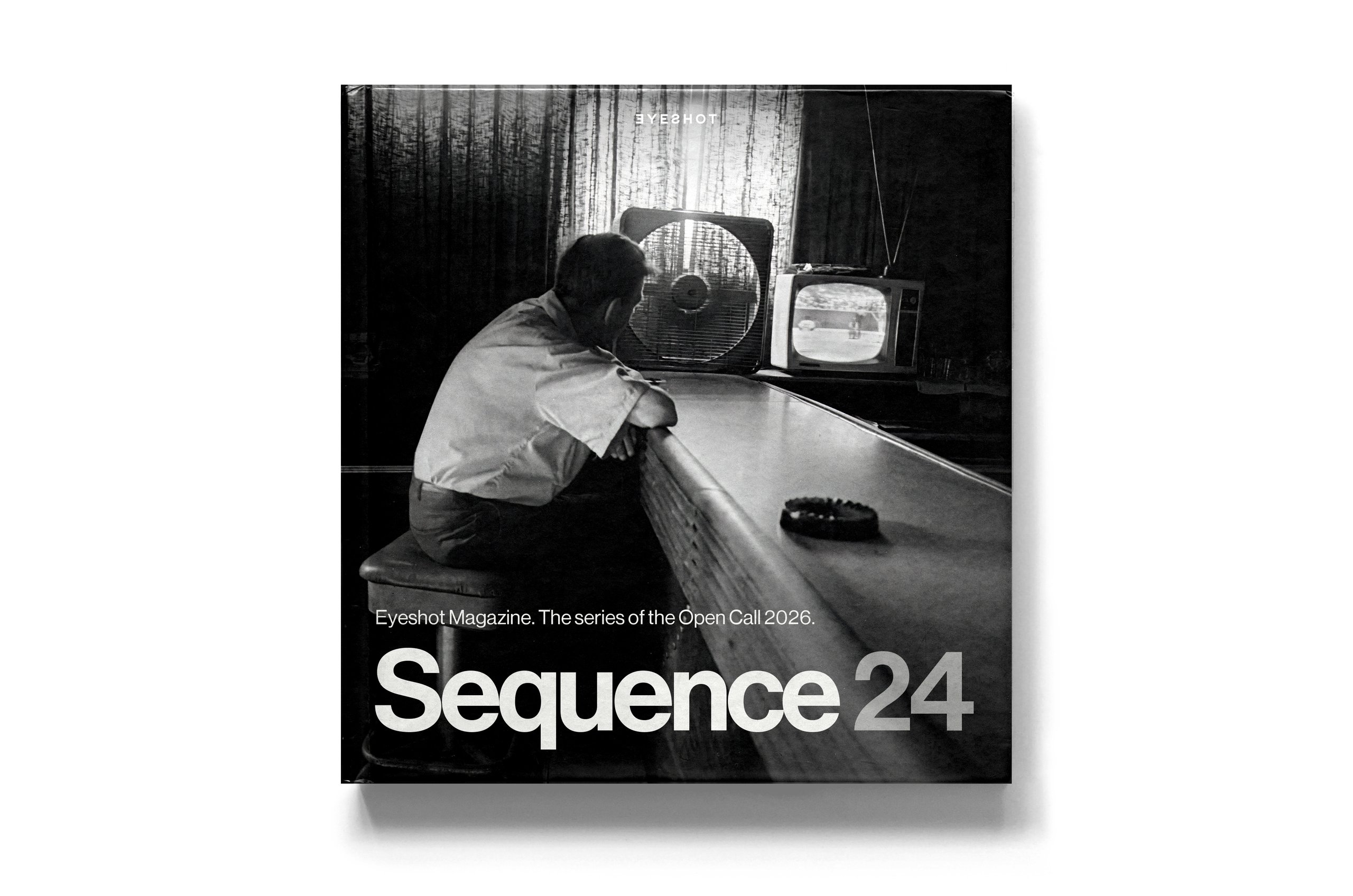
Edited by Marco Savarese
Sequence is issue 24 of Eyeshot Magazine, the series of the Eyeshot Open Call 2026 in a limited edition.
Pre-order


