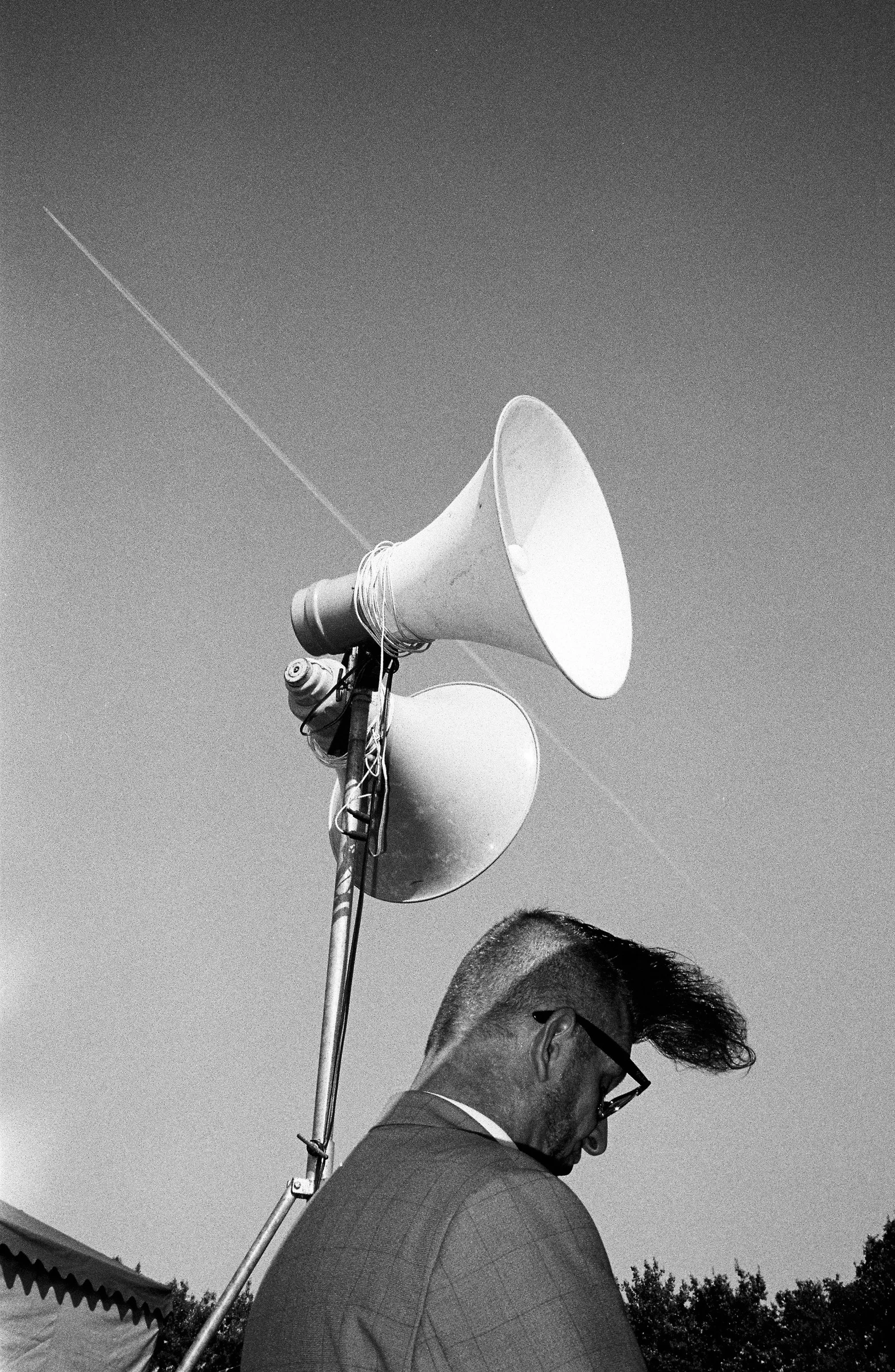
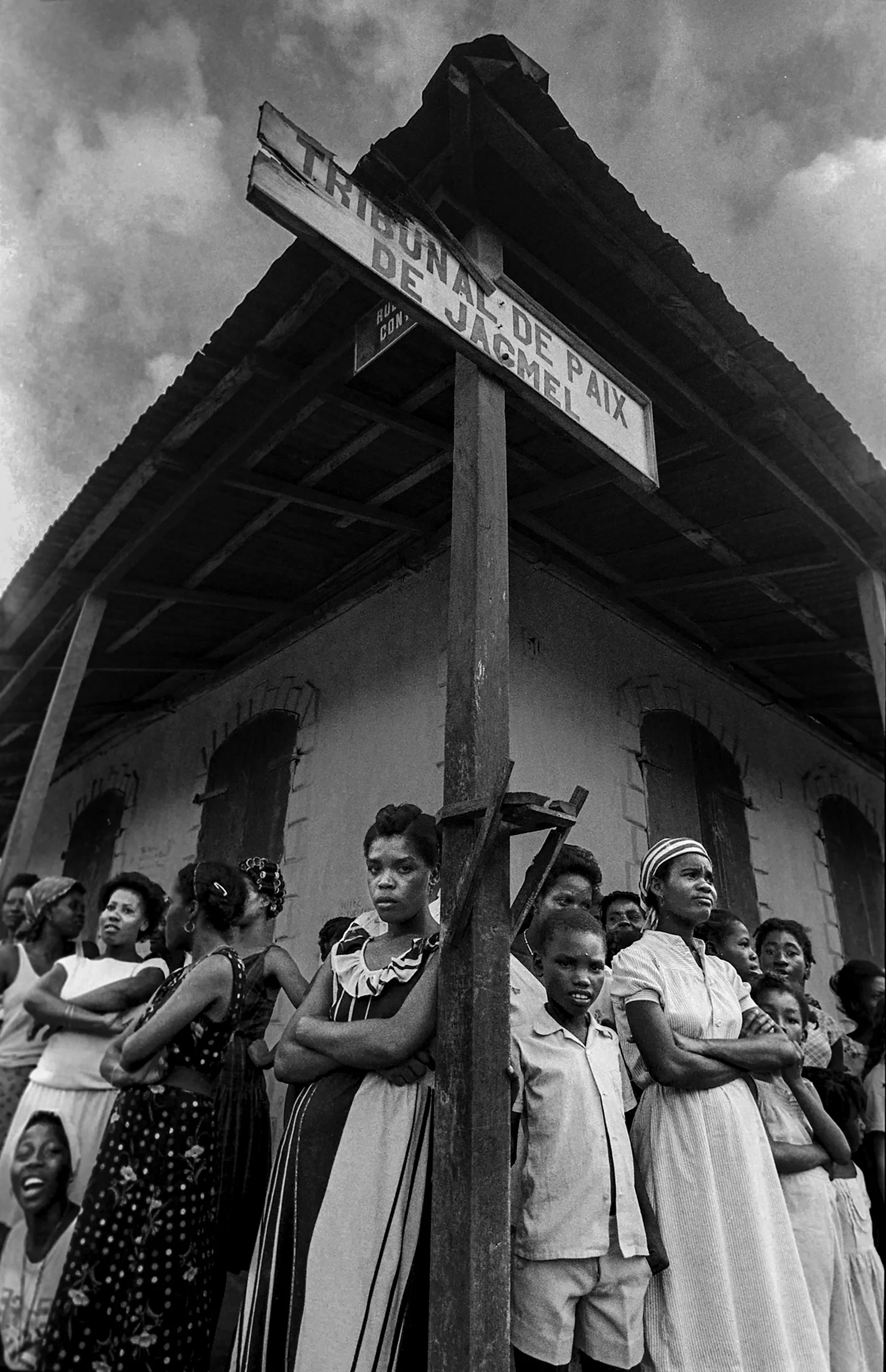
Harvey SteinHaiti 1984
Country
United States
Award
Series finalist
Edition
Open Call 2026
Haiti lives on the street. It sings, mourns, prays and survives in public -Anonymous Haitian Proverb
In March 1984, I traveled to Haiti for the first and only time, alongside fellow photographers Bruce Gilden and Charles Gatewood. Our goal was to document the vibrant chaos of Carnaval. I had previously photographed Brooklyn’s Haitian community and felt drawn to the country through its culture, its people, and its spirit. We stayed eight days. I shot 27 rolls of black-and-white film.
What I found was a country both resilient and haunted, brimming with energy, yet scarred by fear, poverty, and political repression.
Jean-Claude Duvalier, nicknamed “Baby Doc” was the dictator at the time; he inherited the dictatorship from his father (Pa-Pa Doc) and was overthrown by a popular uprising in February 1986, less than two years after my trip.
The presence of military and plainclothes police was constant and chilling. At the same time, moments of generosity and curiosity from ordinary people cut through the tension. These opposing forces, fear and warmth, are present in the images.
When I returned home, I printed about 45 photographs, very satisfied with the work. But life moved on. The prints were mislabeled in an archival storage box, filed away among 25,000 others in my studio. For decades, the images lay dormant, but not forgotten. I always believed they were there, but I couldn’t find them, until November of 2024, while searching for other photographs.
Opening that box was like unearthing a time capsule. The strength and immediacy of the photographs stunned me. I quickly located the corresponding negatives (thanks to my meticulously organized archive) and began printing again, adding 20 new images to the series. Reengaging with this work after more than 40 years has been both emotional and eye-opening.
The title for this work is Haiti 1984 with all the implications that this date/year has. It is not just a record of a place in time, it is a rediscovery. The photographs bear witness to the dignity of people too often seen only through the lens of catastrophe. They reveal the country’s deep poverty, yes, but also its humanity, its rhythms, its fierce spirit.
As a street photographer, I was captivated by the life unfolding in public, raw, unscripted, and full of motion. Haiti’s streets pulsed with energy, and that energy propelled me to make these images. The work feels as urgent and relevant today as it did then. The problems I saw, inequality, political instability, economic despair, still continue in various forms to this day.
These “lost” photographs now speak with new clarity. They remind us of what has changed, what hasn’t, and the power of bearing witness, even after all these years.


Series finalists
Open Call 2026 Tanzir AhmedBangladesh
 Jubair Ahmed ArnobBangladesh
 Masoumeh BahramigorjiFrance
 Susanne BartelsGermany
 Mara De SarioBelgium
 James Whitlow DelanoJapan
 Marina DoctorovaRussia
 Noemi EhratSwitzerland
 Andrea FucàItaly
 Andrei FurneaRomania
 Mahmoud Abu HamdaPalestine
 Hazel HankinUnited States
 Murat HarmanlikliTürkiye
 Dave JordanoUnited States
 Rado KloseUnited Kingdom
 Davide MantovanelliItaly
 Santiago MesaColombia
 Barbara PeacockUnited States
 Joseph RodriguezUnited States
 Vassilis ZaverdasGreece
Open Call 2026 Sequence
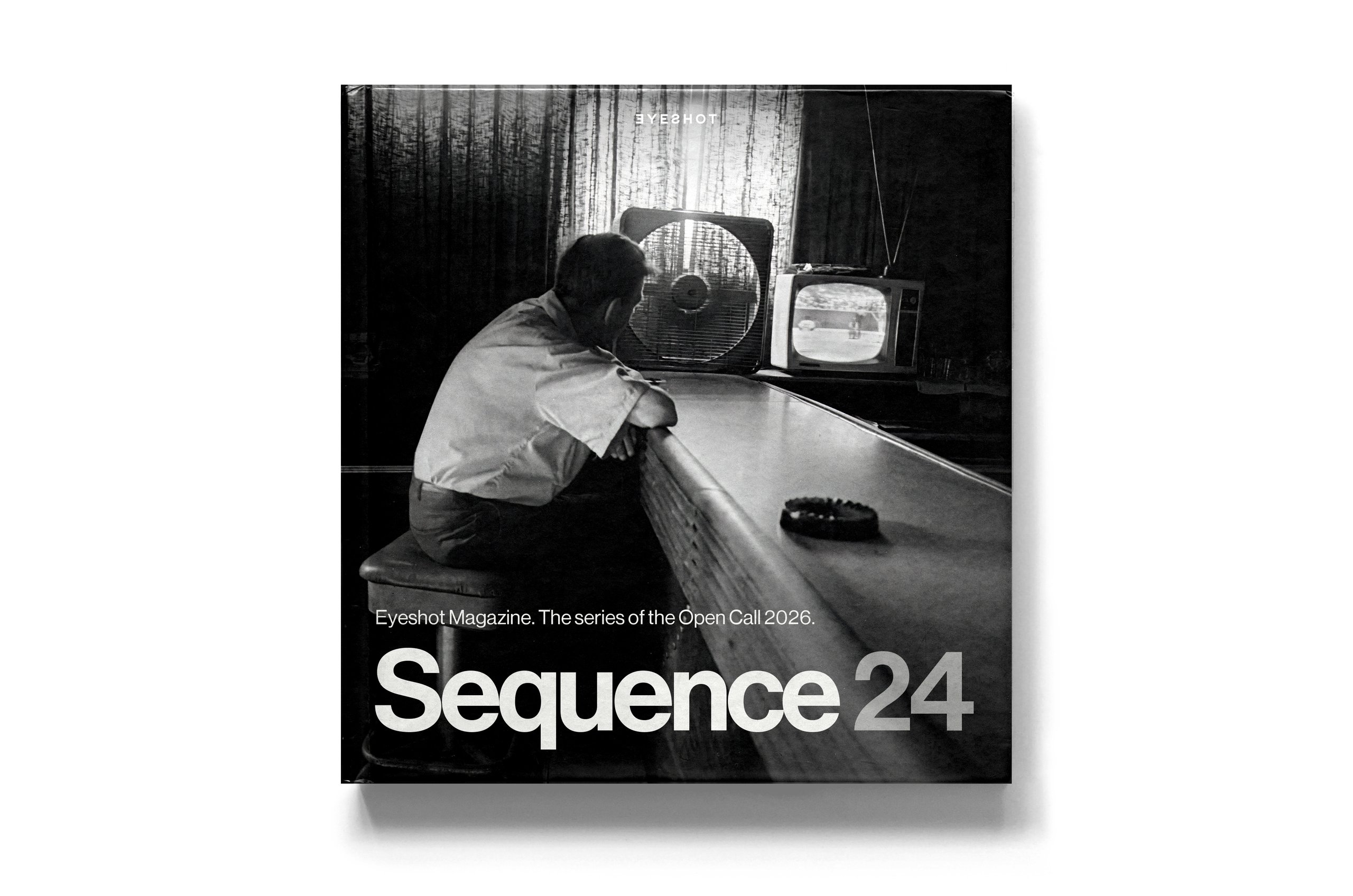
Edited by Marco Savarese
Sequence is issue 24 of Eyeshot Magazine, the series of the Eyeshot Open Call 2026 in a limited edition.
Pre-order