Editor's Note
Learning to See, or Learning to Fix107
Photograph
Alex Webb
Written by
Marco Savarese, Editor-in-Chief

When I receive a portfolio, I see what I am shown. Not the original file, not the sensor, not the four centimeters cropped on the right. I see the frame and within thirty seconds I already know if it holds.
Cropping has become a normal part of the workflow. Nobody talks about it as a choice, it’s talked about as a phase. You shoot, you download, you crop. As if composition were a draft and the computer the final version. As if the field were just the place where raw material is gathered, and the real work began afterward, in safety.
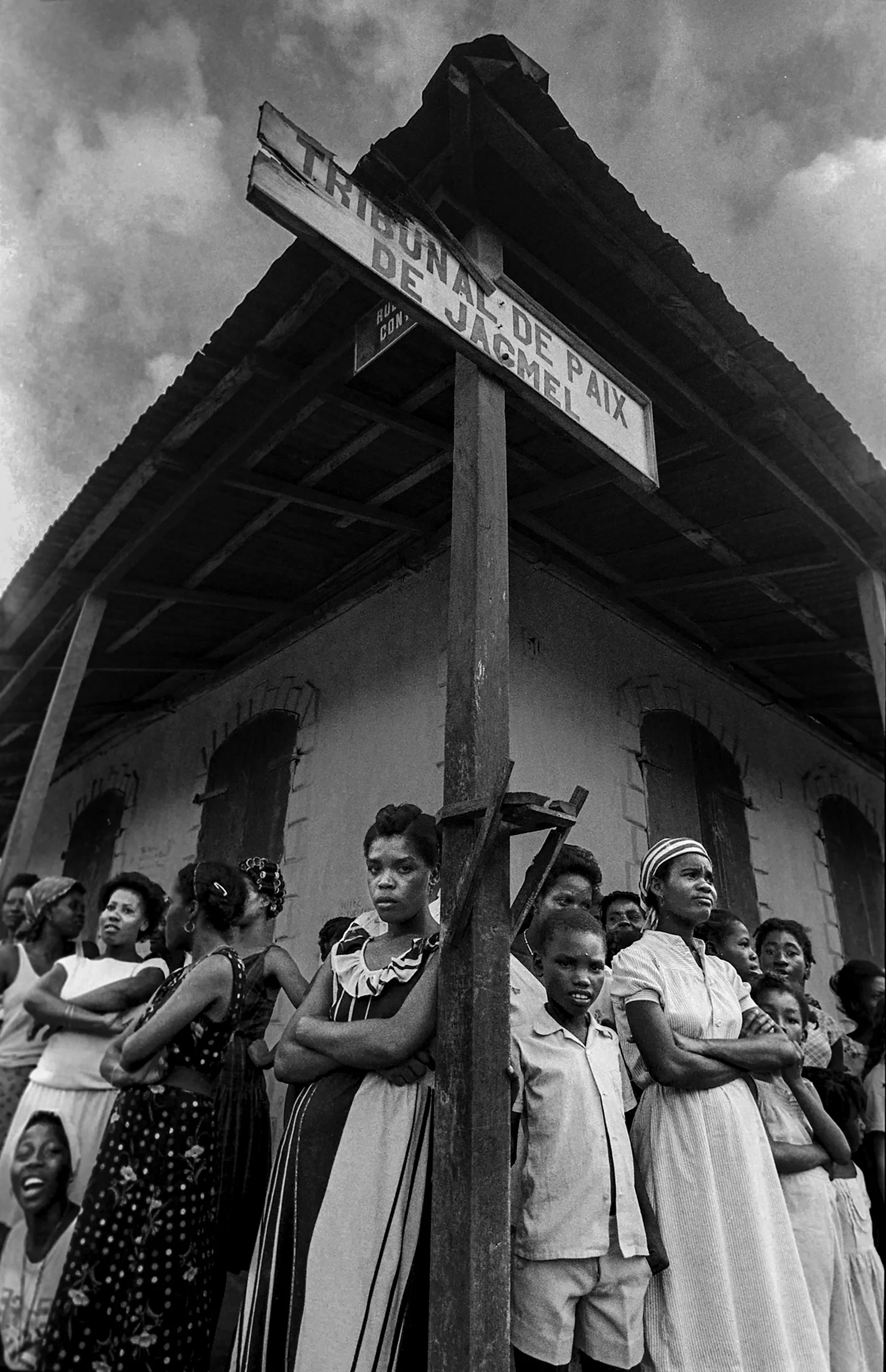
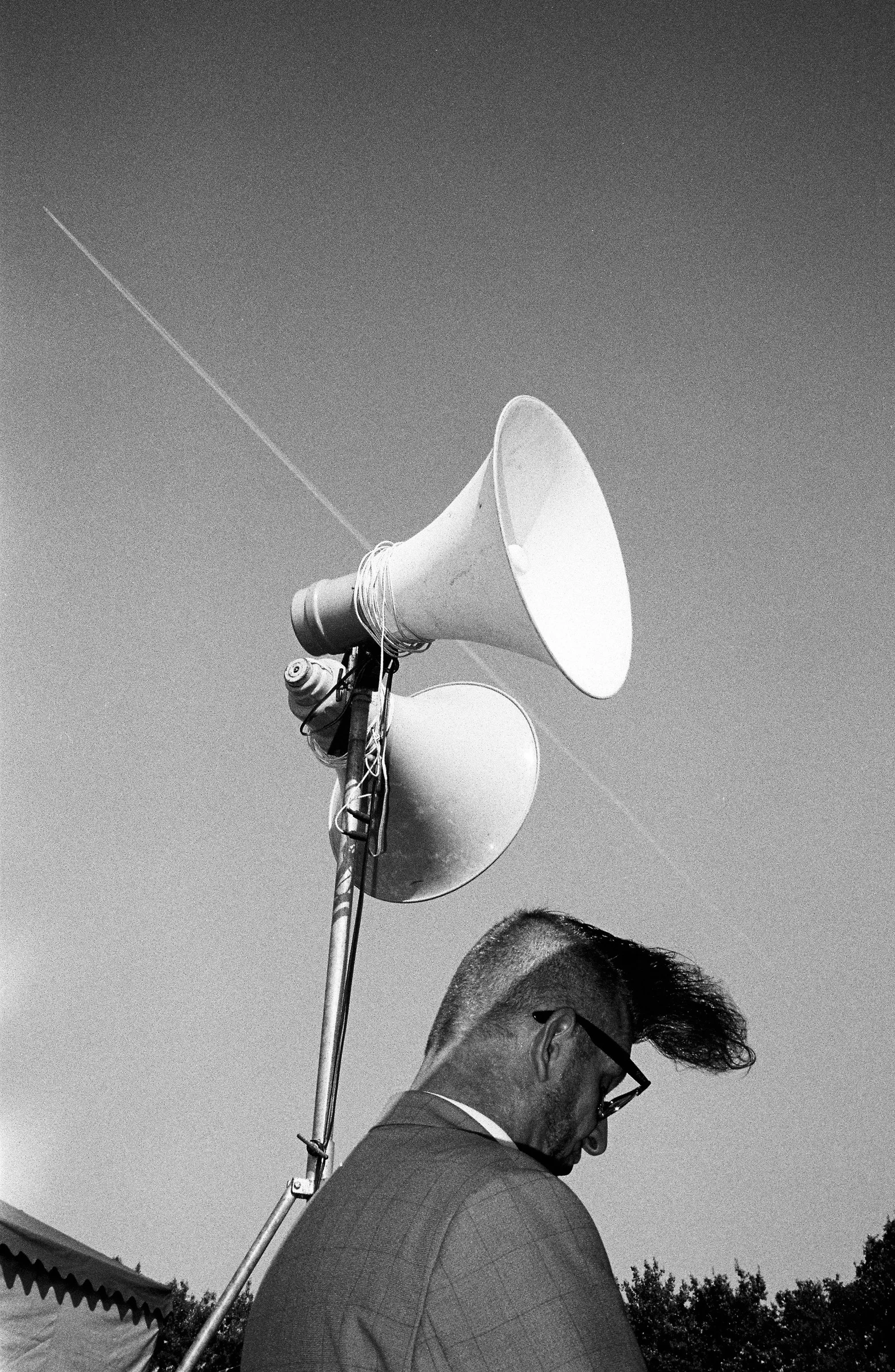
But there is a difference that matters. Composing in the moment means being in a precise place with your body. Choosing a distance. Deciding what enters the frame and what doesn’t while the scene moves, while the light shifts, while people change position. It means failing in the field and learning in the field. It means coming home with a frame that doesn’t work and understanding why you weren’t in the right place. Cropping moves that decision into a controlled, still, silent environment. No pressure. No risk of missing the moment. No body in the scene.
I am not against cropping. As an editor, I don’t need to know whether an image has been cropped. What I need is a frame that holds, a recognizable position, evidence that someone truly decided what they are showing me. Many cropped frames hold. Many original frames don’t. That doesn’t change.
But for the photographer, the question remains open. Are you learning to see, or learning to fix? Because the two develop differently. One takes you outside, into the uncertainty of the scene. The other keeps you at the computer, safe.
The field cannot be simulated in post. Composition made with your feet cannot be learned with a mouse.