Editor's Note
Ordinary Today, Document Tomorrow175
Photograph
Eugène Atget
Written by
Marco Savarese, Editor-in-Chief

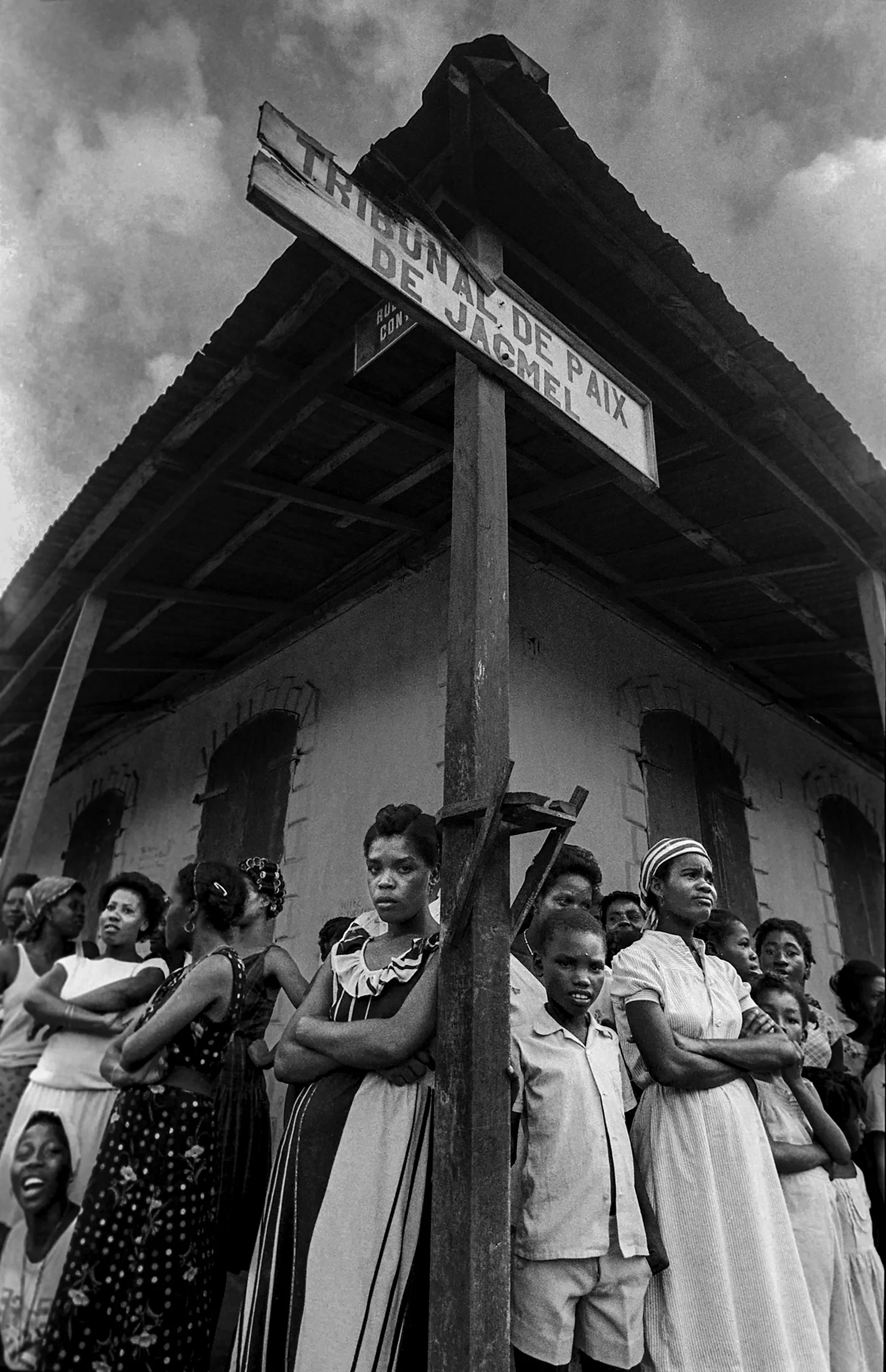
A street photograph from the past hits you, a contemporary one leaves you cold, and we usually close the matter with “it was better before.” That’s not it. The difference isn’t in quality, it’s in the time that has settled on top. What looks dense to you in an Atget from 1900 was ordinary when it was taken. It became dense afterward.
Eugène Atget kept a sign above the door of his studio in rue Campagne-Première in Montparnasse, “Documents pour artistes.” He presented himself as a supplier. He sold prints to salon painters and to the public libraries of Paris. He photographed the Vieux Paris that was vanishing, with the shop windows of dying trades and the old streets before they came down. He died in 1927; the year after, Berenice Abbott bought the studio’s archive for about four hundred dollars.
A century later, the material he called commercial is the document through which half of that Paris still exists. Atget had the same average quality as anyone shooting today. His images became dense because they had a hundred years to mature. The details you don’t notice now, the shop signs, the way a coat is held, the empty windows on a Sunday morning, in thirty years will be the only proof that those things existed.
In #19 I wrote about why the present isn’t recognized as market value. The point here is different, and operational. If you accept that time adds density to what today seems banal, the consequence is simple. You have to shoot now what you don’t consider worth a picture. Your work will be measured by how much remains legible once the world it shows is gone.
For one month, take five things in your city that seem ordinary to you, things you see every day and have never thought twice about. Photograph them as evidence. Atget called his images documents, nothing more. In twenty years, one out of five will be the only way to remember that they existed.