Editor's Note
The First No150
Photograph
Susan Meiselas
Written by
Marco Savarese, Editor-in-Chief

Street and documentary manuals teach you how to get the yes. Few talk about the first no, the one that comes when you raise the camera and someone looks at you and asks you not to. It is not anger, it is protection. Yet almost the entire school treats the no as an accident to work around, not as information.
When a new portfolio arrives, one of the things you read without noticing is what the photographer did with the no answers. You can often tell right away: there are projects where the subjects are only those who said yes the first time, and the casting feels too soft, the scenes too easy, the scouting clearly never carried through. The no of who is not there is a hole in the shape of the work.
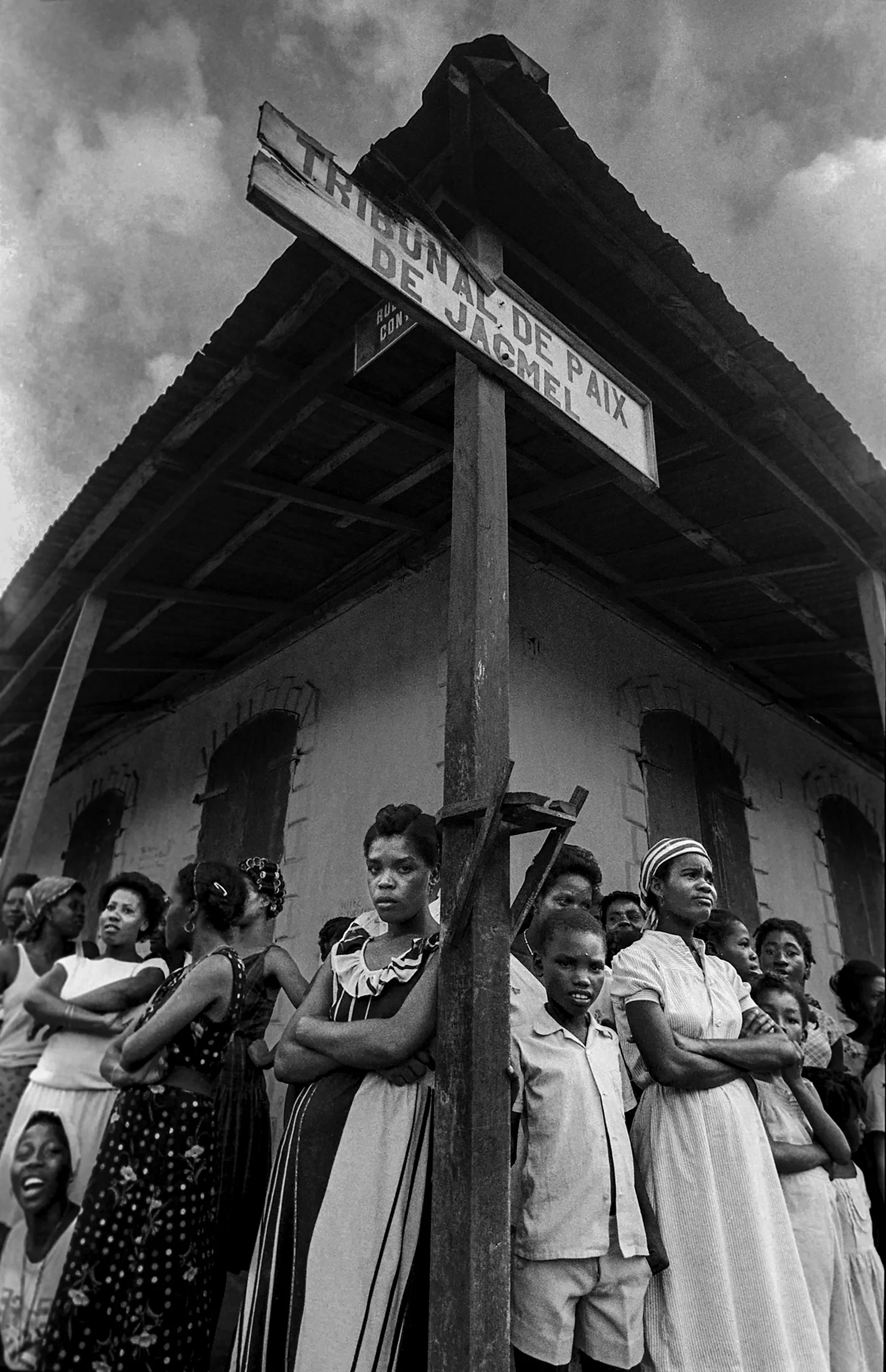
Susan Meiselas, the summers from 1972 to 1975 with the strip dancers of the traveling carnivals across New England, Pennsylvania, South Carolina. She did not push her way into the dressing room: the women invited her in, and she stayed for hours, until the show wrapped up. She recorded audio with dancers, boyfriends, managers, customers, and that chorus entered the book with the images. Carnival Strippers holds together an uncomfortable truth: real consent almost never arrives at the first meeting, it is what you earn by staying.
The subject’s no is the first data of the project. It tells you what that person is defending, why they are defending it, where the nerve is. If you really record it, you stop treating the subject as material and start treating them as a limit. What looked like the scouting was already the work, and what looked like a step back was often the first step inside the story.
The next time a no comes back to you, stay a second longer, take note, decide whether to go back tomorrow or whether that no closes something that should not have opened. The photographer who practices only on the yes learns to ask well, but stays at half of the craft. The photographer who learns to sit with the no stays in the story even when the story does not cooperate.