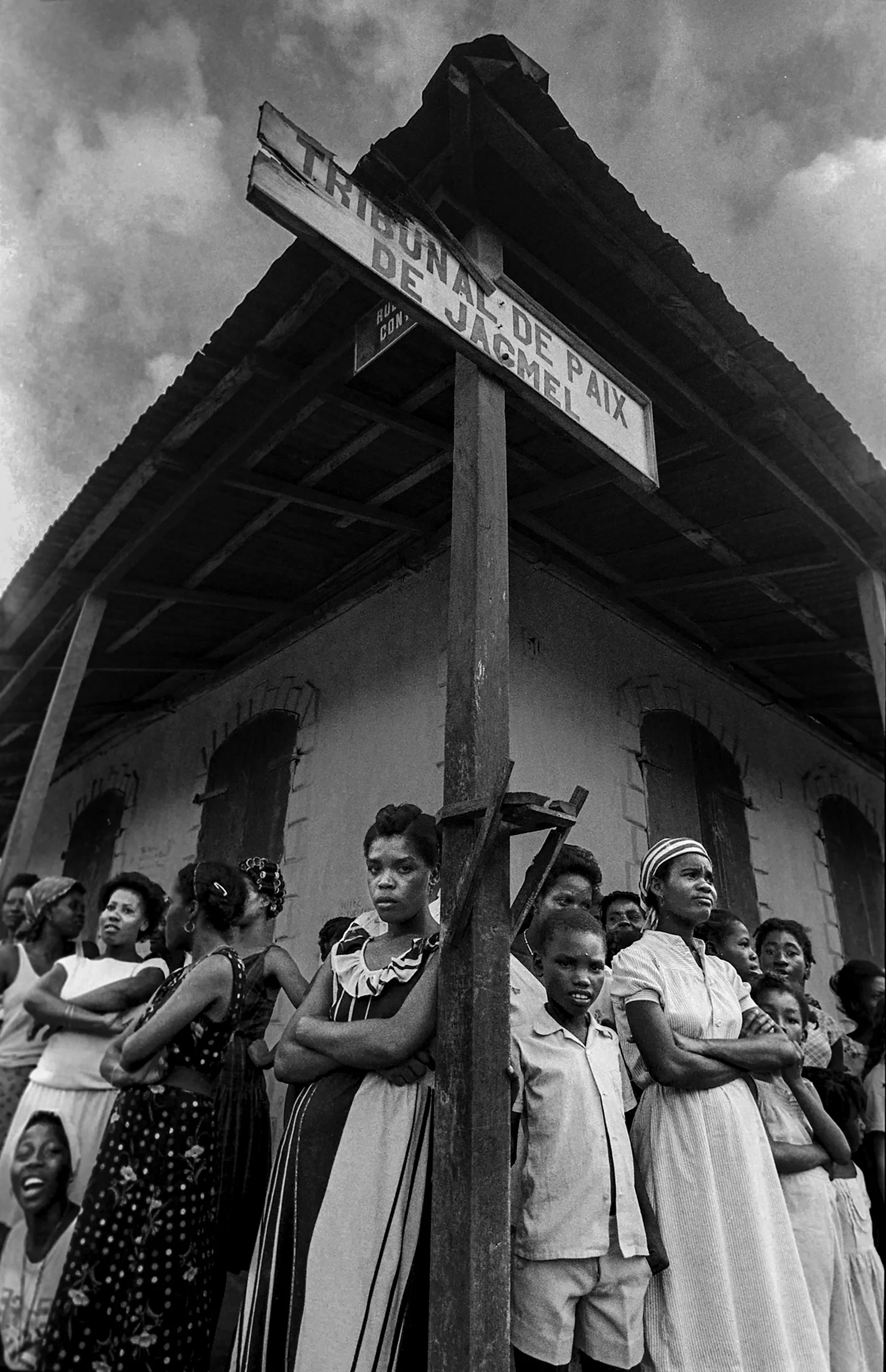
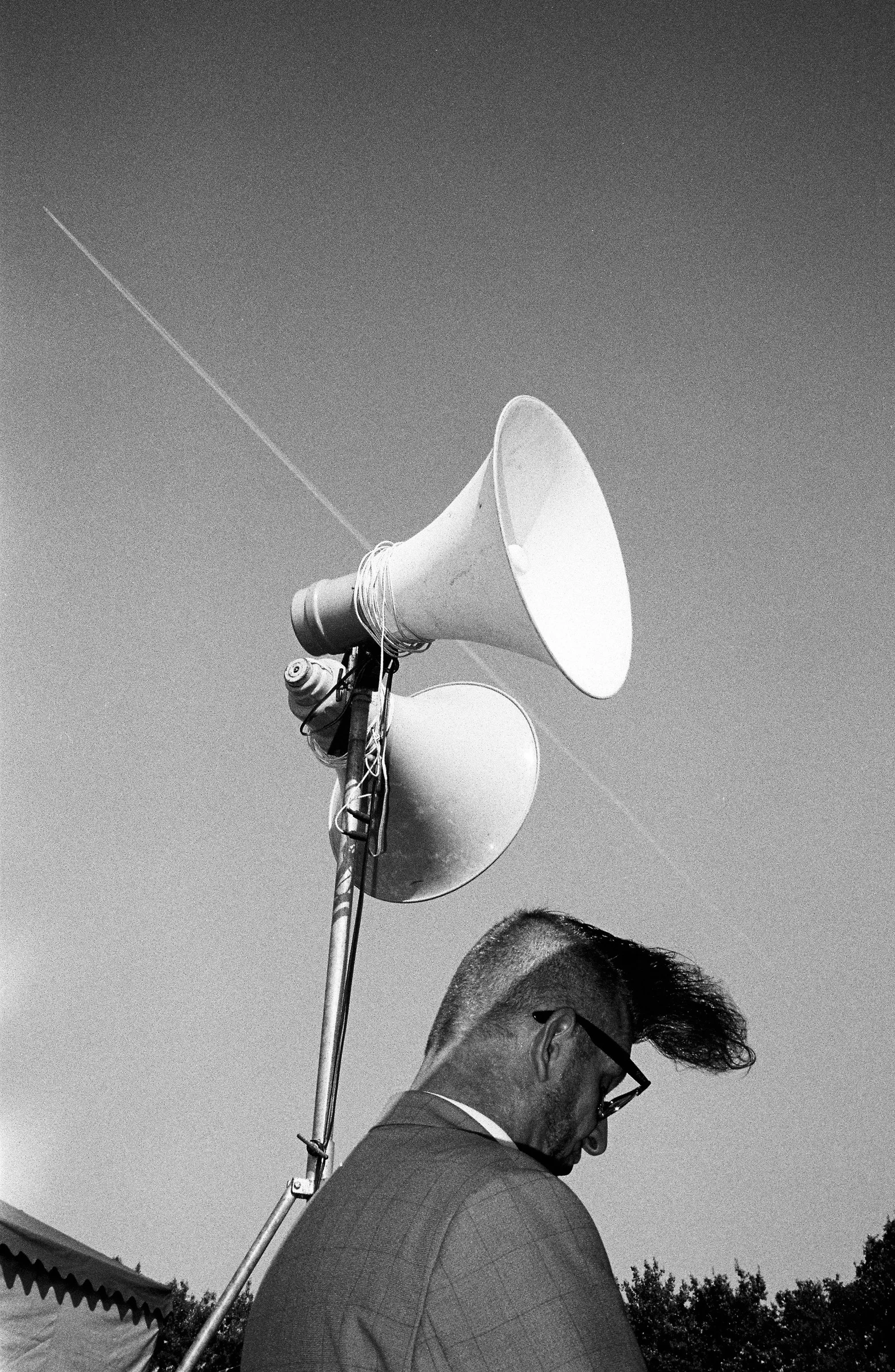
Editor's Note
The Subject Sets the Pace138
Photograph
Henri Cartier-Bresson
Written by
Marco Savarese, Editor-in-Chief

“Man and his life, so brief, so fragile, so threatened. Landscapes are eternal, I’m in a hurry.” Cartier-Bresson said it to Daniel Masclet in 1951, to set himself apart from Weston, Strand, Adams who stayed with monuments and geology. It’s not a poet’s line. It’s a working position, and if you photograph people today it’s yours too, whether you know it or not.
Haste is not a character trait. It’s the pace of the subject you’ve chosen. A landscape stays. A mountain in 2026 is the one from 1951, and the one from 2100. You can come back in a year, the light shifts, the season shifts, time works in your favor. A person doesn’t. Whoever walks into a room, a bar, a nursing home, a demonstration today won’t be there in 2040. The subject decides the deadline. Haste is the answer.
The problem is that many photographers are in a hurry without knowing why. They shoot a lot, post often, feel constant pressure, but their urgency has no addressee. It comes from outside: from the algorithm that demands daily posts, from the editorial calendar they’ve built so as not to disappear, from the fear of being forgotten if they stop for a month. It’s a hurry without an object. And a hurry without an object is noise, not work.
As an editor, I see it in portfolios. One is made of fast images because the photographer has chosen a subject that’s disappearing. The other is made of fast images because the photographer is afraid to stop. The first holds because speed serves the subject. The second collapses because the speed is his alone. Sometimes one question is enough: if you stopped for six months, what would you lose that’s irreplaceable?
Weston could wait for the pepper. Adams could wait for the light of Yosemite. Cartier-Bresson couldn’t wait for anyone, because his subject was finite by definition. You don’t go fast because you were made that way. You go fast because you’ve decided something can end before you do. If you don’t know what can end before you do, you haven’t chosen a subject yet. You’re collecting images, and collecting can be done slowly.
More notes
Written by Marco Savarese, Editor-in-Chief Gentrification Reads Over Years137
 Five Minutes, Thirty-Six Days136
 Lee Friedlander Didn’t Crop Himself Out132
 Eggleston Photographed Everything, He Didn’t Show Everything131
 What Makes a Portfolio Curable130
 Your Feet Are Still on the Old Lens128
 The Photo Doesn’t Remember What You Felt127
 Out of Focus Is Not Out of Control126