Editor's Note
What the Photograph Is For186
Photograph
Eugene Richards
Written by
Marco Savarese, Editor-in-Chief

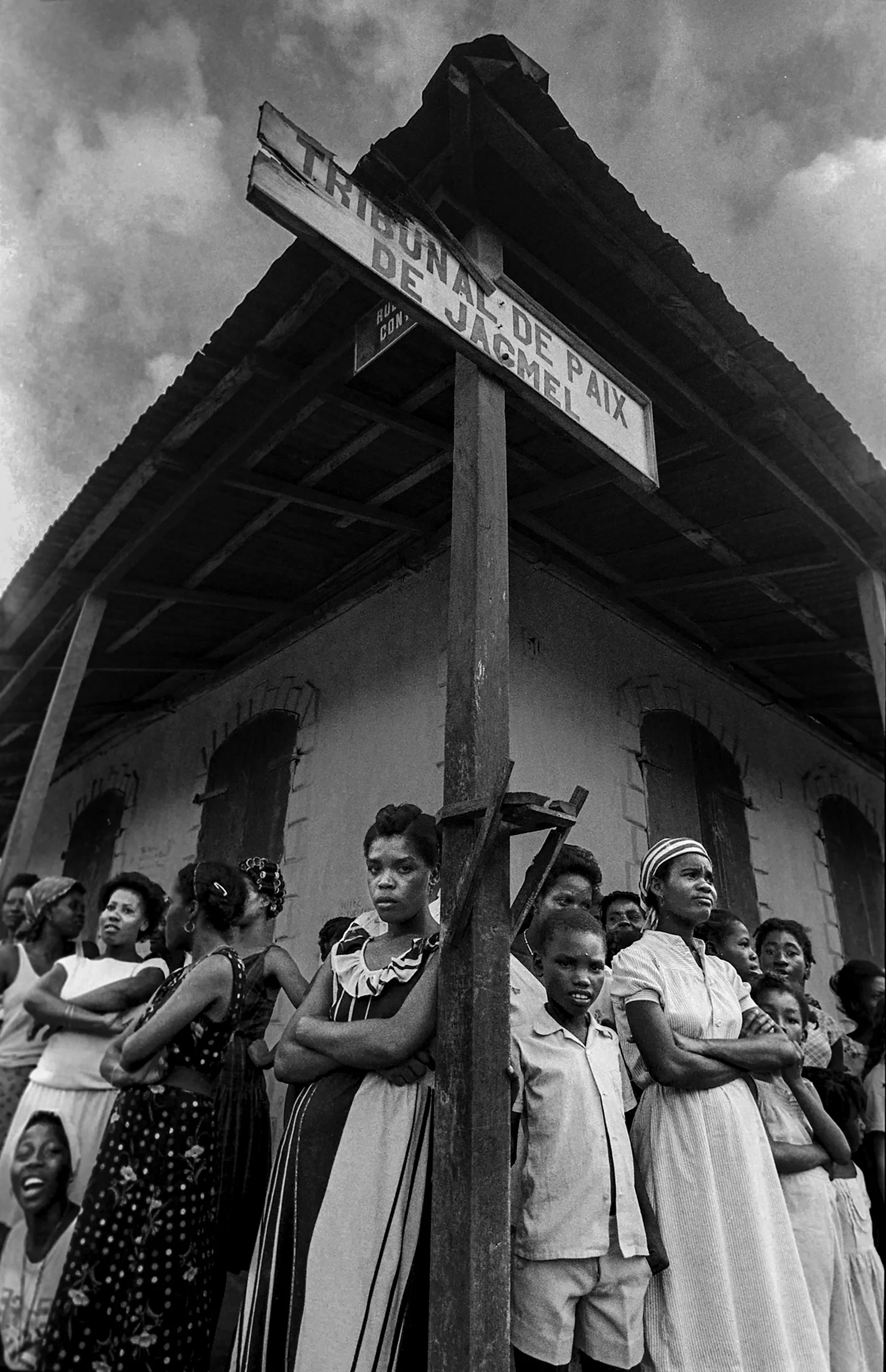
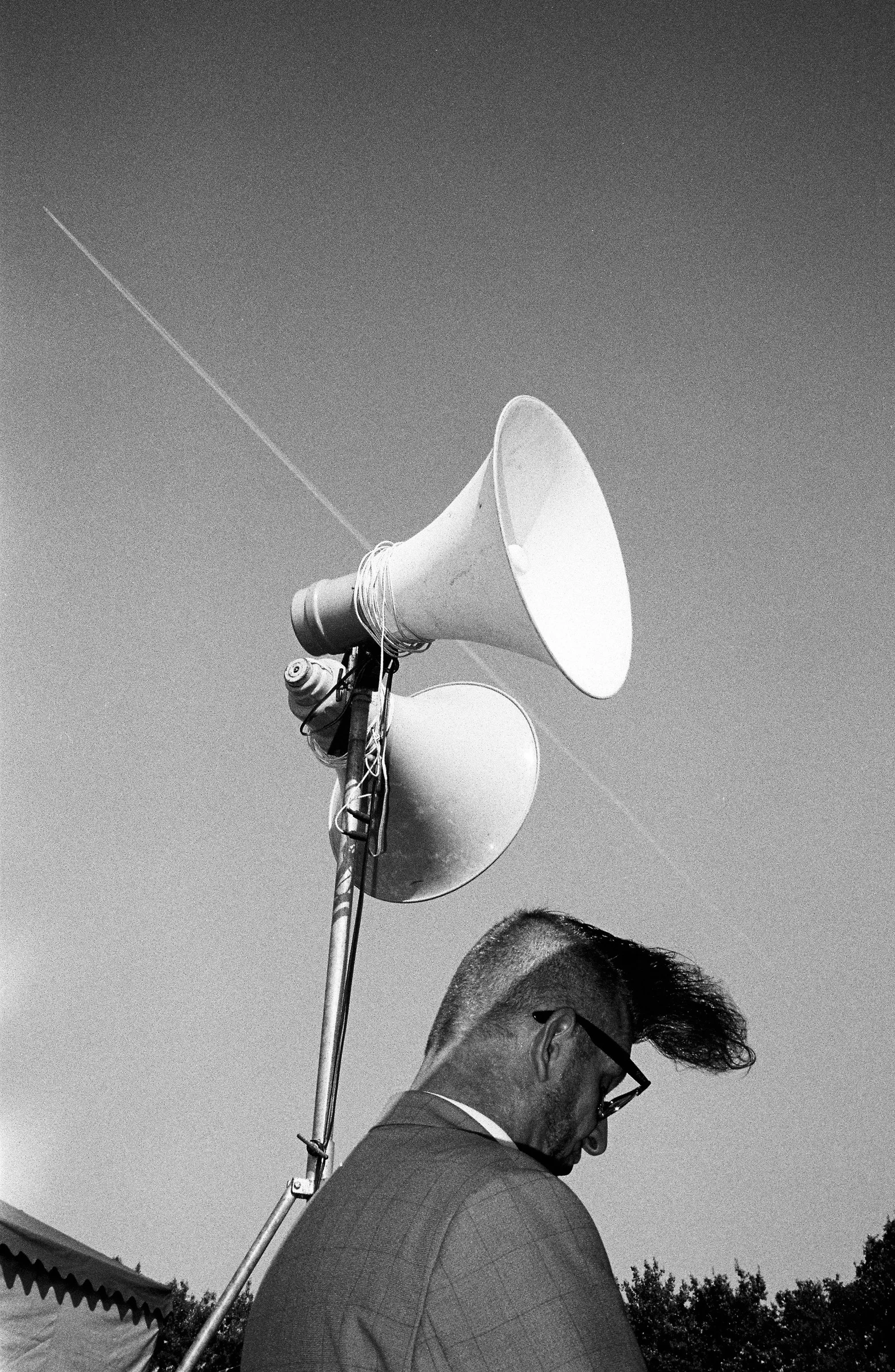
Street or documentary, where one ends and the other begins. The question comes back in almost every portfolio I receive, and you ask it too in front of your own photographs, as if the answer decided the value of the work. But look at two images made on the same corner, with the same stranger in the same light: the line is not inside the photograph. No single frame, on its own, tells you which world it belongs to.
Szarkowski had already seen this in 1967, at MoMA, with the show New Documents. He put together Arbus, Friedlander and Winogrand and wrote that this generation had turned documentary’s technique toward personal ends. The aim had changed. Not to reform life but to know it. The same camera and the same way of standing in the street, with a different intention.
The line is not in the subject. The same passerby in the same square can end up in one body of work or the other. Walker Evans said there is a documentary style, and that a photograph can wear its clothes while remaining other than a document, because a document has a use and your image may not. That is where the line you want sits, not in how the photo looks but in what the photo is for.
And what a photograph is for shows over time. Street ends in the instant of the shutter, lives in a single frame, and does not ask you to come back. Documentary begins after the shutter. It is the return to the same place, the thesis built across many images set in a row, the debt to the person you made a subject. That debt is also the danger of documentary, because to know a life is different from putting it on display as a case.
So stop asking whether what you do is street or documentary. Ask what the photograph is for, and whether you intend to come back. If it closes in the instant and it is enough for you to have known that scene, it is street, treat it as such and let it go. If it claims to tell a life over time, then you owe that life a return, and the work begins now, not once you have pressed the shutter.