Editor's Note
Who Decides the Exposure104
Photograph
Robert Frank
Written by
Marco Savarese, Editor-in-Chief

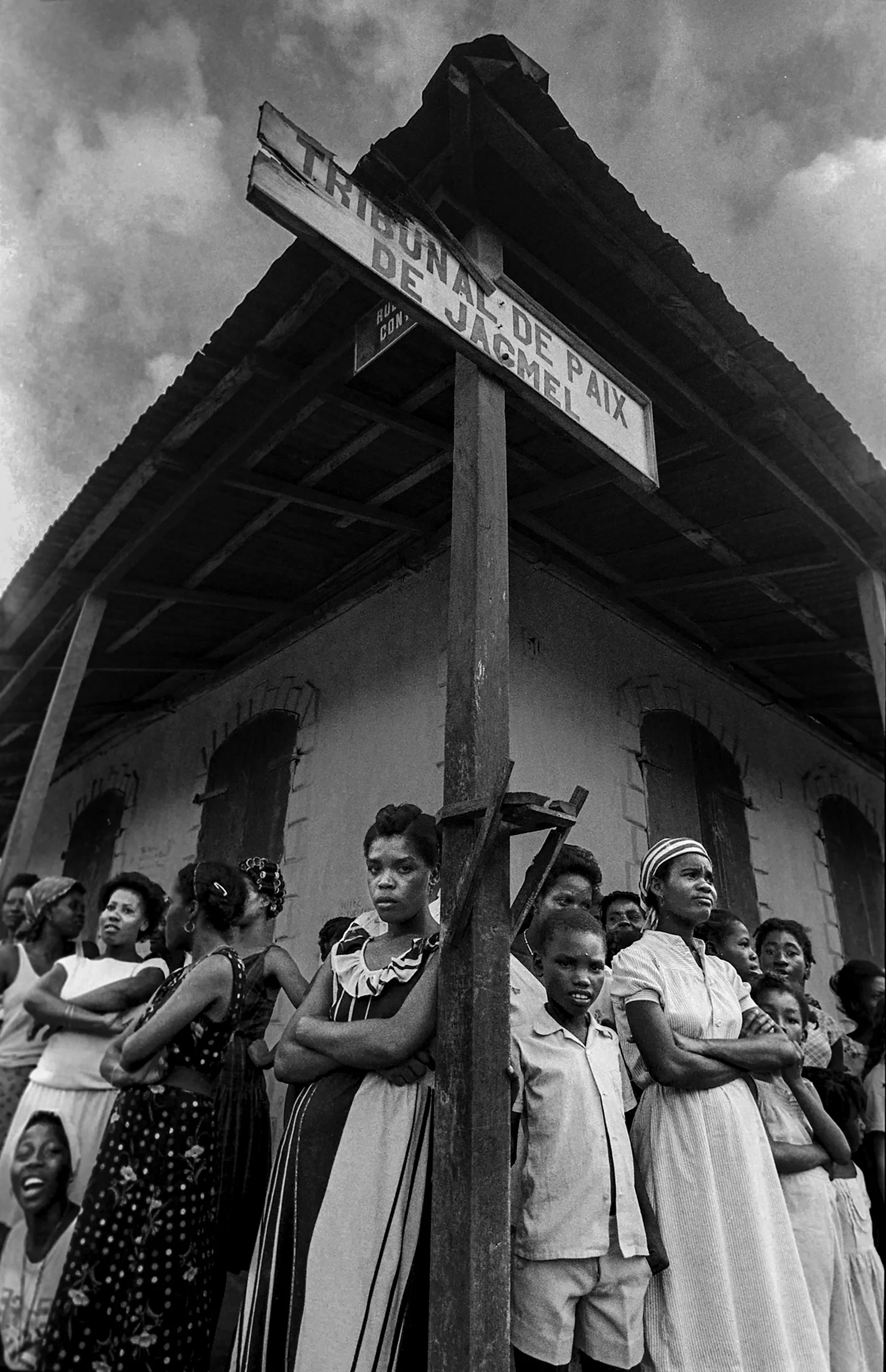
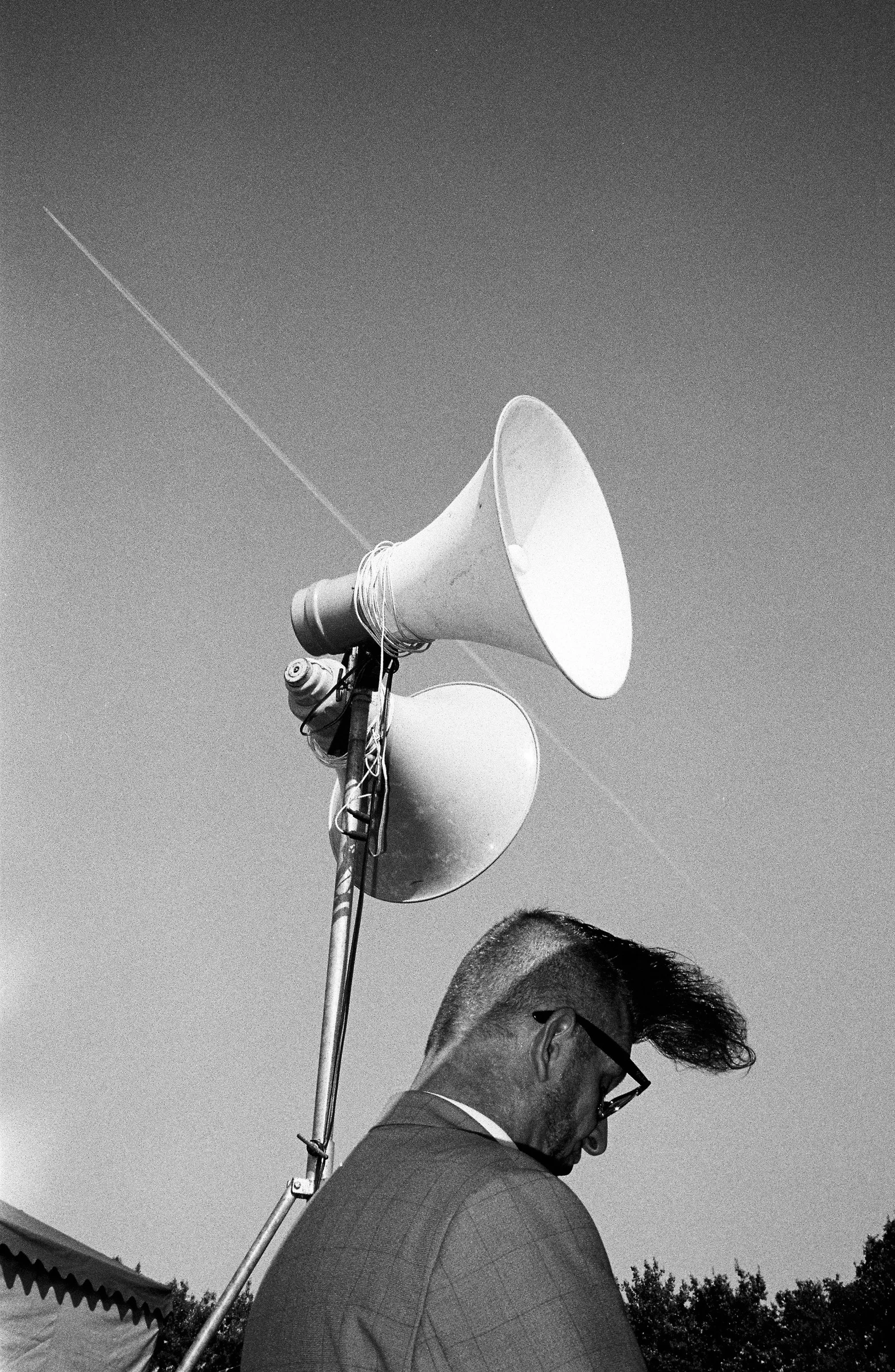
Robert Frank used Tri-X for The Americans: a fast film, visible grain, pushed to its limits in the darkroom. William Klein chose grain and contrast because he wanted his New York photographs to look like they had been found in the gutter. Daido Moriyama built an entire aesthetic around the principle of are, bure, boke, rough, blurred, out of focus, as a visual response to a society coming apart. None of them were working around a technical limitation. They were making an authorial decision. The grain was the content, not a side effect.
Today’s cameras have auto-ISO. While you shoot, the camera reads the light and adjusts the exposure in real time. Technically it works. Practically it is useful. But there is a question this function cannot resolve: what are you trying to say?
When you delegate the ISO decision to the camera, you are delegating more than a technical parameter. You are delegating your reading of the scene. And if you have not already decided how you want that scene to look, whether you want grain, whether you want noise, whether you want the light compressed or open, hard or soft, the camera cannot know that for you. It produces something technically correct. It does not produce your photograph.
Frank was not managing light conditions. He was describing a country he saw as ambiguous, unstable, impossible to reduce to a clean image. Form was content. ISO was an aesthetic choice before it was a technical one. You can shoot the same night scene with auto-ISO and get a clean file at 6400, or you can choose that ISO yourself knowing that the grain it produces is part of what you want to say. The two photographs might look the same but they’re not. One is the result of an algorithm, the other is a decision.
You can always choose to delegate. But delegating is not photographing.